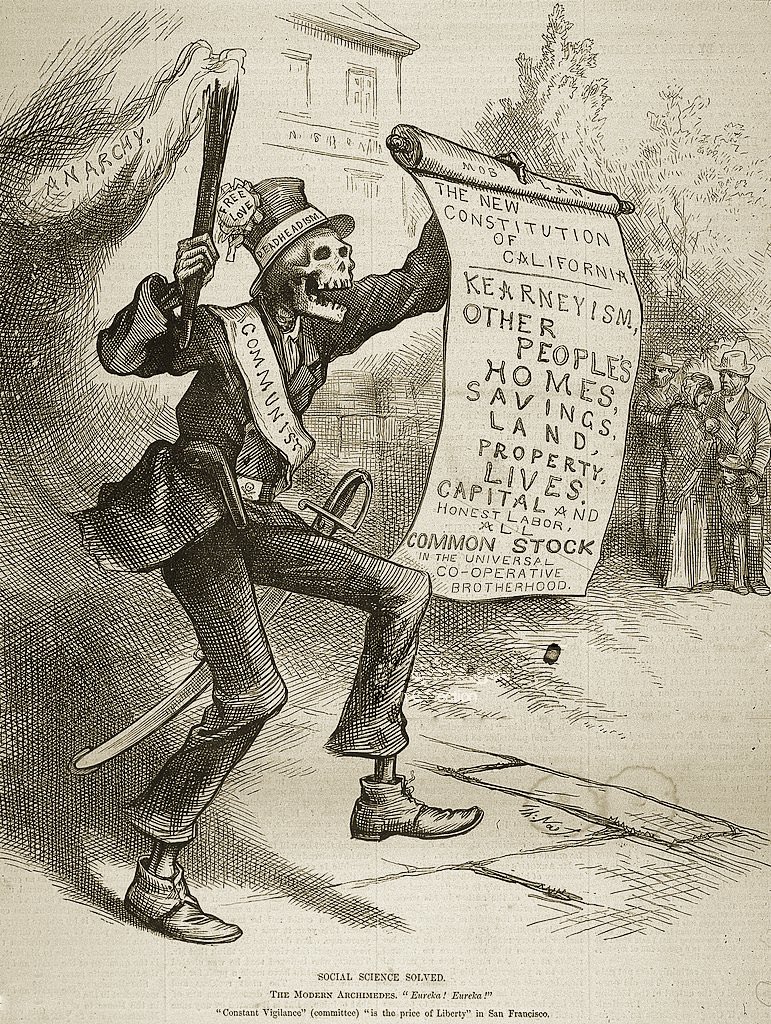
The article goes into a discussion of why almost all our modern fairy tales have a clearly-identified set of good guys fighting a clearly-identified set of bad guys. Rather than complex motivations, at best the bad guys have cartoonish plans for wanting power over everything (think a James Bond or Marvel super villain), while in plenty of other cases they're just evil by design (e.g. Sauron, or 'the dark side of the force'). Go back to the folk tales on antiquity or the middle ages, and it was a question of heroes and gods having personalities and motivations that were more complex, and the stories were about their interaction with codes of honour and acceptable behaviour.
It's worth having a read, but I'm most interested in the potential implications for modern politics. In another thread, the inability to engage with the motivations of the other side is mentioned as a reason for damaging hyper-partisanisation of politics.
Do you think there's a link? If someone grows up reading Harry Potter, the question of needing to understand Voldemort's motivations, and the possibility of some sort of win-win situation doesn't really come up. If you take the same mindset into how you see the real world (we don't need to understand Iran, because they just want nukes to rule over the whole middle east anyway) or politics (the GOP are fascists who want to destroy democracy to destroy all minorities on the way to creating a corporatist oligarchy), then you're forever engaged in an existential fight between good and evil and compromise is a moral failing. And, of course, anything the 'good guys' do becomes excusable by virtue of who is doing it, independently of the act itself.
Do you agree? Should we stop pumping kids full of good vs evil stories?