The night after the fleet’s arrival is eventful. In a shocking show of force the paramilitary forces storm the streets and take batons and hoses to the protestors clogging the narrow streets of Bhai city. Tractors and trucks ram apart barricades, and several civilians are injured in these operations. When bricks, rocks, and furniture are thrown from second and third floor windows onto the advancing lines of troops, doors are knocked in as part of a massive effort to eliminate the rebels labeled a threat to peace and humanity. Hundreds of casualties are reported by the police commanders as crowds of civilians throw themselves against the encroaching Avinaan forces. The city wide “sweep” leaves a wake of shattered storefronts, burning cars, blown out windows, and trampled bodies.

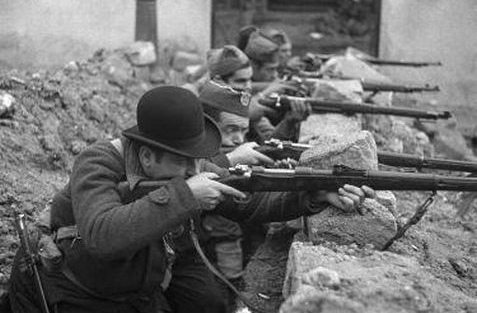
Civilians armed with bricks and pipes collide with police after the “sweep” leaves their neighborhood destroyed.
The Center for Telecommunications and the adjacent hotel, still under the control of the GNC terrorists, is stormed at 4 AM, and the resulting in an intense firefight that leaves the hotel engulfed in flames. The small contingent of Avinaan marines brought to Bhai city take the hotel an hour after the raid begins, and report that two of the thirty reported terrorists have been killed. Complicating the entire operation, civilians breach the cordoned off police zone and a crowd of 200, some armed with pistols and bolt-action rifles attack the police, yelling that they want to aid the terrorists in their escape. The marines are recalled from the building immediately, and with the police, open fire upon the crowd. The attack left five police dead and fifteen injured; two marines were injured. Civilian casualties neared 50, with roughly 70 injured. The terrorists did try to take advantage of the momentary distraction the crowd had presented. As they attempted to shoot their way out, the marines were recalled from the street, resulting in a shootout that ultimately killed all thirty terrorists, three marines, and fifteen of the roughly forty hostages, one of them the Director of Propaganda.
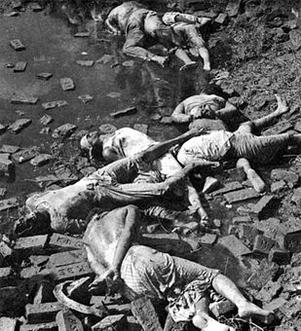
Violent protesters that attempted to escape the shooting by running into a nearby decrepit lot
Meanwhile that same night, the other fleet approached the naval base at Chotho. After they received no radio confirmation of their approach, the fleet was suspicious. After getting within 2 miles of shore, they heard no gunfire, and it seemed that the battle had completely died down. Smaller landing craft were called in, and their initial report was that the base had been overrun and abandoned. The fleet quickly moved in to recover any weapons and equipment left. From an extensive investigation taking place over the following two days it was determined that after about three days of fighting, the small base was running out of small arms ammunition and medical supplies.. With other naval yards on lockdown, and the men unable to escape due a blockade of militants in fishing boats and captured police craft, the men were unable to escape. Aware that the base was on the verge of being overrun, and uncertain if assistance would arrive on time, the base commander ordered the scuttling of a destroyer in drydock. As engineers were lining a second destroyer with explosives, the base was overrun by the militants, who were receiving reinforcements from nearby Thoroche Island by the hundreds. Fighters from nearby islands returned after the battle was over, shortly followed by those originating from Chotho and their families, as they knew Avinaan retribution would be swift. The captured men at the base, numbering roughly 100, were ordered by Chotho militants, on supposed orders from the GNC, to assist them in the commandeering of the remaining vessel. Just two days before the arrival of reinforcements, the men removed the explosives and loaded as much food and ammunition aboard the destroyer as possible and sailed out of the base, guarded constantly by roughly 100 militants. All equipment that could not be taken was thrown into the sea or detonated, such as at least 15 trucks, several thousand gallons of fuel, roughly 17 tons of shells and artillery, and at least 500 small arms weapons.
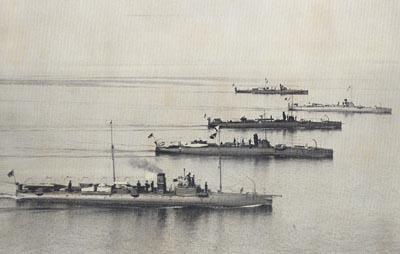
The commandeered vessel is the middle vessel, shown here about 10 years prior, on its arrival to the Gujiyan Isles.
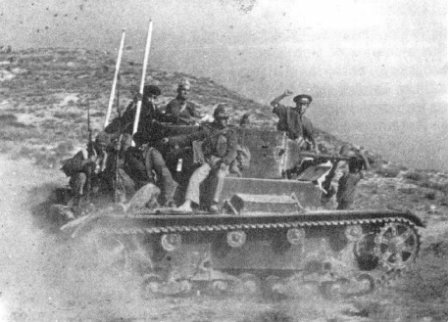
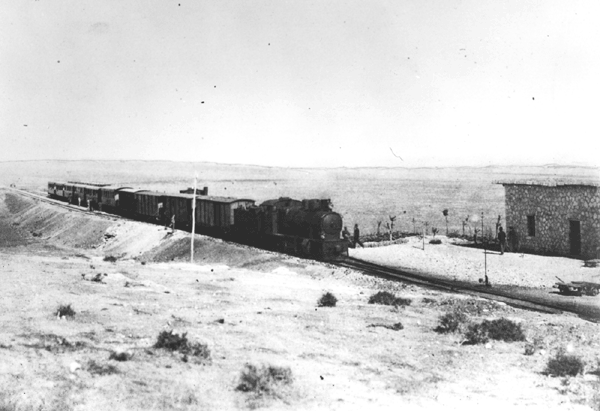
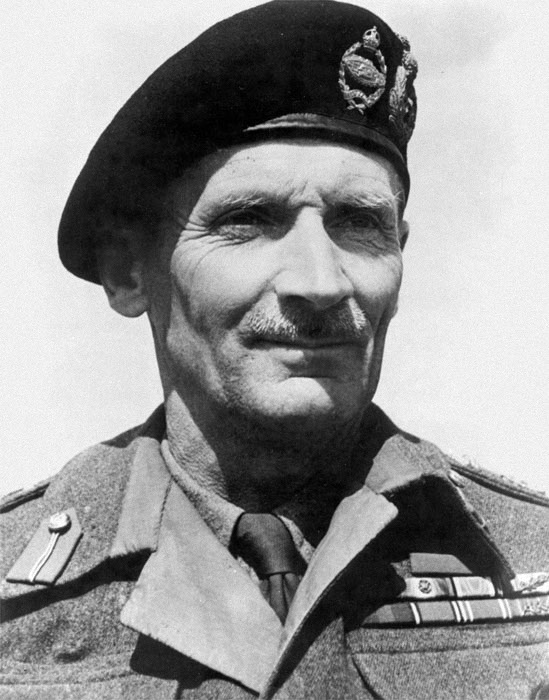
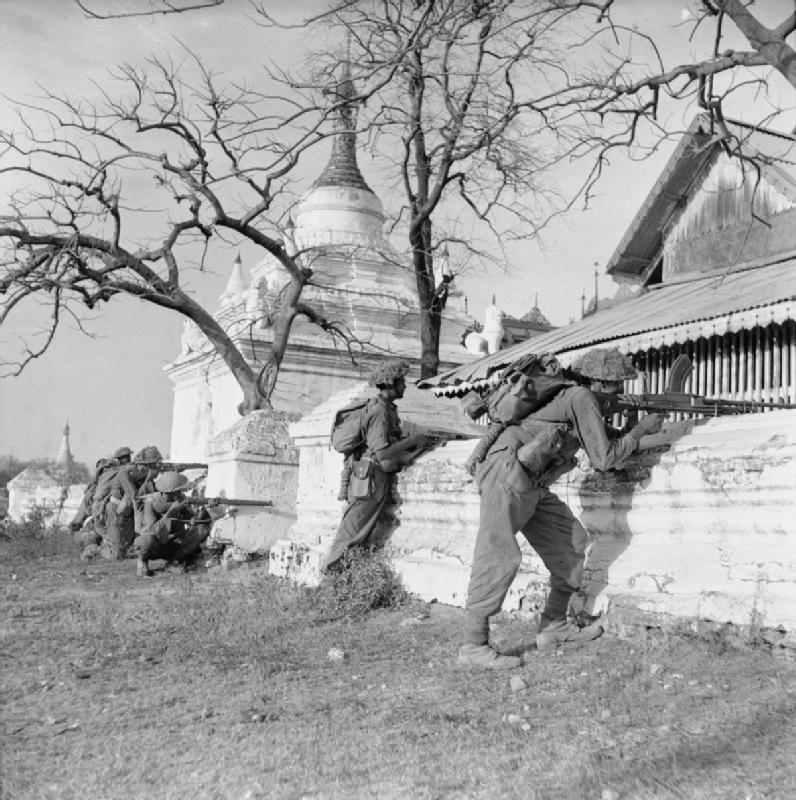
Just a day after the arrival of the Avinaan fleet, an anouncement was distributed through the pervasive mafia to authorities that the GNC was building an army. Flyers thrown from freight trains depicted their uniform, which borrowed heavily from the existing Native Guard uniform. The Native Guard are paramilitary units given authority by their tribes to protect their tribes land, and were paid for by local Avinaan government leaders to not attack them and attack neighboring tribes instead. While solid numbers regarding the number of deserters is difficult to ascertain, it is believed from military records that roughly 10,000 of the 700,000 Native Guard members have deserted. The number of rural people that supplement the ranks of the rebels is impossible to determine, but the number and frequency of attacks in Thoroche indicate almost 50,000. Tribal politics are complicated in Thoroche Island, where Avinaan authority is weakest, and most of the desertions are occurring. Reports by radio and telegram are received daily regarding the raiding and destruction of isolated desert and mountain outposts and checkpoints, usually leaving the local employees tied up with their arms broken, and all guns and surplus uniforms stolen. They call themselves the Military Arm of the Gujiyan Independence Movement, or MAGIM.

The uniform of the Native Guard, upon which the MAGIM uniform is based
 *ed in frustration. Though he had wanted to provide support, he could not. Apparently, it was a stupid idea to start a war while it was so early after the first. When he had first heard of the invasion, he almost made a decision to declare war out of anger. Though Tuaador had nothing to offer but entry into its borders, it was an ally, but now as not the time. When the time came however, Guiraud would make sure to make the Fascist Alliance suffer.